Garage door repair for a Damaged Bottom Seal in Los Angeles
How a Garage Door Bottom Seal Works
A garage door bottom seal is the pliable strip attached along the lower edge of an overhead garage door. It closes the gap between the door and the floor when the door is shut. Depending on the door design, the seal may be made from another weather-resistant material and may fit into a metal or plastic garage door retainer.
The seal works with a garage door threshold to keep out water, leaves, dust, insects, and small animals. It also supports weatherstripping around the sides and top of the door. Together, these components help limit air leaks, increase energy efficiency, and safeguard stored items inside the garage.
Los Angeles has generally pleasant and dry weather, but seasonal winter rain can still drive water and debris under a garage door. A properly fitted seal is especially useful on driveways that slope toward the garage. In coastal areas such as Santa Monica, Venice, and Long Beach, salt air and humidity may accelerate corrosion of metal retainers and other garage door hardware. In inland San Fernando Valley and San Gabriel Valley communities, hotter summer temperatures can make rubber seals fragile, shrink them, or cause them to give up flexibility.
A bottom seal cannot correct every problem. If the concrete is uneven, the door is out of balance, or the lower section is bent, replacing the seal alone may not produce a watertight closure. A complete garage door inspection can identify whether the issue is limited to the seal or related to a larger repair.
Warning Signs Your Garage Door Requires Bottom Seal Repair
A degraded bottom seal often displays visible damage before it fails entirely. Look along the whole length of the closed door for open gaps, sections that do not reach the floor, or a seal that pulls away from the door. Brittle or cracked rubber, flattened vinyl, tearing, and shrinkage are typical indications that replacement is needed.
- Water entry: Puddles, damp cardboard, staining, or water and debris beneath the door can point to a failed seal or an inadequate garage door threshold.
- Problems with pests: A gap can let insects, rodents, and other pests to enter. Rodent entry is especially likely when the seal is split or the garage floor is uneven.
- Drafts: You may feel outside air moving through the lower edge, particularly on windy days. Air leaks can also permit dust and exhaust odors into the garage.
- Garage door panel damage: A bent, dented, or rusted lower garage door panel may keep the seal from sitting evenly on the floor.
- Unequal contact: If one side touches the floor while the other side remains above it, the issue could involve the floor, tracks, hinges, cables, or door balance.
Test the seal by shutting the door on a sheet of paper. It should secure the paper with even, light pressure around the opening. Do not use this test as a substitute for professional evaluation if the door binds, reverses unexpectedly, makes loud noises, or appears crooked.
How to Repair or Replace a Garage Door Bottom Seal
Bottom seal repair usually involves removing the damaged seal from the retaining track and installing a compatible vinyl door seal or rubber seal for the garage door. The correct replacement depends on the retainer style, channel shape, door thickness, and climate exposure. Seal extrusion profiles are not universal, so a similar-looking product may not seat firmly.
Before starting, disable the automatic opener and follow basic safe garage door practices precautions. Keep hands away from hinges, rollers, cables, springs, and pinch points. Never loosen or remove a garage door spring, lift cable, or bracket as part of a bottom seal project. Springs are under substantial tension and require trained handling.
Clear the retainer track and inspect it for bends, rust, loose screws, or missing end caps. A small amount of appropriate garage door lubricant may help a replacement slide through a clean track, but do not use lubricant to mask a damaged retainer. If the garage door retainer is corroded or distorted, it may need repair or replacement before a new seal can work correctly.
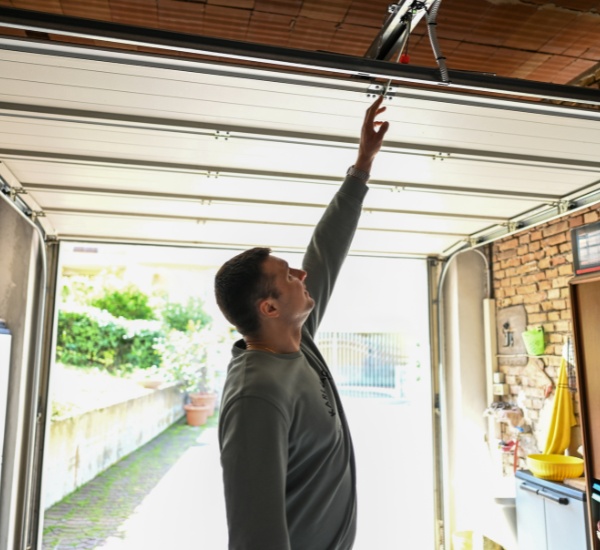
Steps for Replacing a Bottom Seal Yourself
A capable homeowner can often replace a bottom seal if the door is structurally sound and the retainer is accessible. Gather the replacement seal, measuring tape, work gloves, mild cleaner, pliers, and a utility knife. Avoid working alone if the door is large, heavy, or difficult to control.
- Inspect and measure the door. Start by measuring garage door width from one side to the other. Measure the existing seal and identify its profile, channel shape, and width. Purchase a seal designed for that specific retainer track, allowing a small amount of extra material for trimming.
- Disconnect the opener. Close the door fully, disconnect the garage door opener from power, and disengage the trolley only if the manufacturer’s instructions require it. Do not attempt to remove a seal with the door suspended or partially open.
- Take out the existing seal. Take off an end retainer cap if present. Pull the old seal through the channel. If it is stuck, use pliers carefully and avoid bending the track. Use a utility knife only to cut the old material, never to pry against the panel or your hand.
- Clean the retainer. Remove dirt, adhesive, and corrosion. Straighten minor bends only if you can do so without damaging the panel. A severely rusted track should be evaluated by a garage door repair technician.
- Prepare the replacement. Compare the new vinyl weather seal with the old seal before installation. Apply a small amount of compatible lubricant to the seal edges if recommended by the manufacturer.
- Finish installing the seal. Slide in the replacement from one end of the track. Work gradually across the door rather than forcing the seal in one area. Keep the material flat and avoid twisting it. Trim the ends neatly after the seal is fully seated.
- Test the door. Reconnect the opener, close the door, and check the contact along the entire bottom edge. Test the door balance manually if safe to do so, then test the opener’s auto-reverse and photo-eye functions. Stop immediately if the door binds or moves unevenly.
Do not stretch the seal during installation. Stretching can cause it to shrink back later and create gaps. If the floor is sloped or uneven, a garage door threshold may improve the seal, but the threshold must be positioned so it does not obstruct normal door operation.
When to Hire a Garage Door Repair Technician
Contact a door technician when the lower panel is warped, the retainer is badly corroded, the door is derailed, or the seal replacement requires handling a heavy door. A professional can also diagnose problems involving a garage door spring, rollers, cables, hinges, tracks, or a garage door opener.
Contact a professional if the door comes down, feels unusually heavy, stops before reaching the floor, reverses repeatedly, or has a visible gap on only one side. These symptoms may indicate poor balance or a damaged lifting system rather than a simple seal problem. A professional inspection is particularly important for detached garages, older homes, and large two-car doors common throughout Los Angeles.
A qualified garage door repair technician should describe the cause of the failure, identify parts that need attention, and provide a written repair estimate before work begins. Avoid anyone who recommends replacing springs or major hardware without pointing out the related damage.
EM Garage Doors And Gate Service Inc19629 Cantara St, Reseda, CA 91335
(818) 919-0785
https://emgaragedoorsandgateservice.com/
https://maps.app.goo.gl/XujLWxA4pAQKARQT8
34.2193569, -118.5613022
Garage Door Repair Cost and Pricing in Los Angeles
The garage door repair cost for a bottom seal depends on the seal profile, door width, retainer condition, access, and whether a technician is performing the work. A straightforward seal replacement is generally cheaper than repairs involving a damaged panel, track, spring, or opener. Local garage door repair pricing can also vary by neighborhood, appointment time, and the complexity of a detached or difficult-to-access garage.
Request an itemized estimate that breaks down parts, labor, disposal, taxes, and any service call fee. Confirm whether the quoted price includes retainer repair, threshold adjustment, opener testing, and a warranty. An unusually low quote may omit necessary work, while a high quote should be supported by a clear explanation and photographs or inspection findings.
The garage door replacement cost is considerably higher when the entire door, tracks, hardware, and opener must be replaced. A garage door spring cost is separate from bottom seal work and varies with spring type, door weight, labor, and whether one or both springs are replaced. Ask the technician to distinguish repair pricing from replacement pricing so you can review options accurately.
Bottom Seal Repair vs. Garage Door Panel Replacement
Bottom seal replacement is appropriate when the garage door panel is straight, the retainer is secure, and the door closes evenly. A new seal can reinstate protection against drafts, water, pests, and debris without changing the appearance or structure of the door.
Panel replacement may be necessary when the lower section is crushed, split, severely rusted, or bent enough to prevent a consistent seal. A damaged panel can also affect rollers and tracks, increase strain on the opener, and create a safety concern. Matching a replacement panel may be difficult if the door model is discontinued, in which case full garage door replacement may be the better option.
Do not base a determination solely on the name of a quoted repair. Ask whether the panel can be repaired, whether a compatible panel is available, and whether the existing tracks and opener can remain in service. For a standard two-car door, compare the 2 car garage door replacement cost with the two car garage door replacement cost offered by other qualified contractors, making sure each quote includes the same components and installation work.
Related Garage Door Service Costs
Homeowners sometimes discover extra problems during bottom seal service. A failing garage door opener may need adjustment, repair, or replacement. The garage door opener installation cost depends on the opener type, ceiling height, wiring, access, and whether a new rail or safety equipment is required.
If a door is heavy, uneven, or unable to stay open, ask about a spring inspection. Searching for garage door spring replacement near me can produce many providers, but verify licensing, insurance, warranty terms, and whether the estimate includes removal of the old springs. Spring replacement should not be performed as a casual add-on to a seal project.
For older doors with recurring hardware failures, compare the total repair cost with the garage door replacement cost. A service call fee may apply even when you approve the work, so confirm the policy before scheduling. Reliable companies explain which repairs are urgent, which can wait, and which improvements are optional.
Finding Garage Door Repair Near Me in Los Angeles
Look for garage door repair near me using your local Los Angeles neighborhood rather than relying only on a general city https://topgateserviceexperts1-101-101-10.nexorafield.com/posts/how-much-does-garage-door-repair-cost-in-los-angeles listing. Confirm that the company serves your area, whether you live near downtown Los Angeles, Santa Monica, Venice, Long Beach, the San Fernando Valley, or the San Gabriel Valley. A nearby provider may be familiar with local weather exposure, driveway slopes, detached garages, and common two-car door configurations.
Select a licensed contractor or reputable local company that carries proper insurance and provides a confirmed business address and phone number. Ask whether the person arriving is an skilled garage door repair technician and whether the company handles your door brand and retainer style.
If water is seeping in before a storm, the door cannot close, or security is compromised, ask whether same-day garage door repair is available. Same-day service should not mean omitting diagnosis or safety checks. The technician should inspect the seal, retainer, bottom panel, floor, opener, springs, and visible hardware before recommending work.
Before authorizing Los Angeles garage door service, request an fully broken-down written estimate, warranty details, payment terms, and an expected arrival window. Confirm that the technician understands whether your garage is attached or detached and whether the door is a standard single, oversized, or common two-car model. These details impact access, parts, labor, and final pricing.
Preventing Later Lower Seal Damage
Routine garage door maintenance can extend the life of the seal and reveal more serious problems early. Inspect the bottom edge every few months for tears, shortening, stiffening, and gaps. Remove dirt and grit, but do not use harsh solvents that can break down vinyl or rubber.
Keep in mind weather exposure when picking a replacement. Direct sun and high temperatures in the San Fernando Valley and San Gabriel Valley can speed up brittleness, while coastal salt air in Santa Monica, Venice, and Long Beach can deteriorate metal retainers and fasteners. A suitable seal and rust-proof hardware may hold up longer in these conditions.
Maintain the garage floor drainage unobstructed so water does not pool against the seal. Clear leaves and debris from the driveway edge and confirm that a threshold, if installed, does not cause a trip hazard or stop the door from closing. Avoid using a threshold to compensate for a badly uneven floor or a misaligned door.
Lubricate rollers, hinges, and other manufacturer-approved moving components without putting oil on the rubber seal. Test the door’s balance, photo eyes, manual release, and auto-reverse function. Arrange an annual inspection if the door is aging, heavily used, exposed to coastal conditions, or showing recurring seal failures. Addressing without delay a damaged panel, retainer, spring, or opener can prevent additional strain and improve garage door safety.
Common Questions
How much does garage door bottom seal repair in Los Angeles?
The price is determined by the door width, seal profile, retainer condition, access, labor, and whether a service call fee applies. A basic bottom seal replacement is usually considerably cheaper than panel, spring, or opener work. Request a written, itemized garage door repair estimate that details parts, labor, taxes, warranty coverage, and any additional repairs.
Is it possible for me to replace a garage door bottom seal myself?
Indeed, a homeowner could potentially complete replacement of the bottom seal when the door is steady, the retainer track is easy to reach, and no springs, cables, or panels are compromised. Measure the door, remove the old seal, clean the channel, and slide in the replacement without pulling it. Follow safety precautions and hire a technician if the door is weighty, crooked, off track, or difficult to balance.
How do I know whether I need a new bottom seal or a garage door panel?
Change the lower seal when the panel is straight and the retainer is firmly in place but the rubber or vinyl is split, shrunk, compressed, or missing. A new garage door panel may be needed when the lower section is warped, crushed, corroded, or preventing even contact with the floor. A qualified inspection can determine whether a panel repair, panel replacement, threshold, or full garage door replacement is the right solution.
How much does garage door repair cost when springs or openers are also damaged?
Garage door repair expenses increases when the job requires spring replacement, opener repair, track work, panel replacement, or electrical adjustments. Garage door spring cost differs by spring type, door weight, labor, and whether both springs are replaced. Opener work also depends on the job, so ask for separate line items for the seal, garage door spring replacement, opener service, parts, labor, and service call fee.
How can I find reliable garage door repair near me in Los Angeles?
Find a licensed contractor that serves your exact Los Angeles neighborhood and has expertise with detached garages and two-car doors. Confirm insurance, licensing, warranty terms, availability for same-day service, and the technician’s qualifications. Before work starts, get an itemized written estimate and ask for an explanation of the damage, recommended repair, and any alternatives.